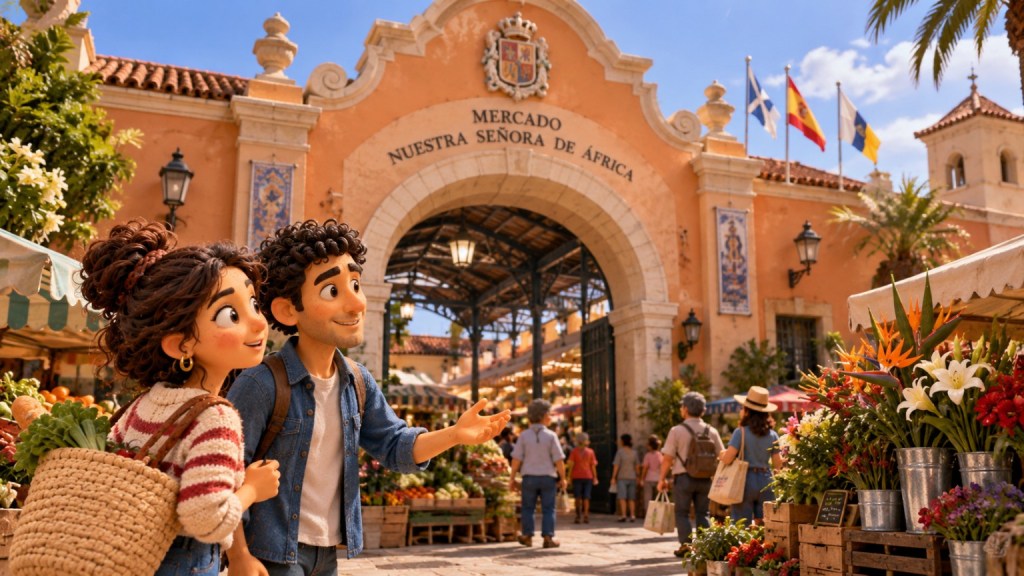
Where are you from? ¿De dónde eres? It is one of the first questions you will hear when meeting someone in Spanish. The good news is that you can answer it with two very useful patterns: soy + nationality and soy de + place.

¡Hola! I’m Marián. Today we’re travelling around the world without leaving our Spanish lesson. By the end, you’ll be able to say where you are from, describe your nationality and ask someone the same question.
We have prepared five handmade chalkboards with 30 countries and nationalities. Take your time: you do not need to memorise them all in one sitting.
1. «Soy» or «soy de»? Two ways to introduce yourself
Both forms are correct, but they answer slightly different questions. Use soy with a nationality adjective; use soy de with the name of a country, city or other place.
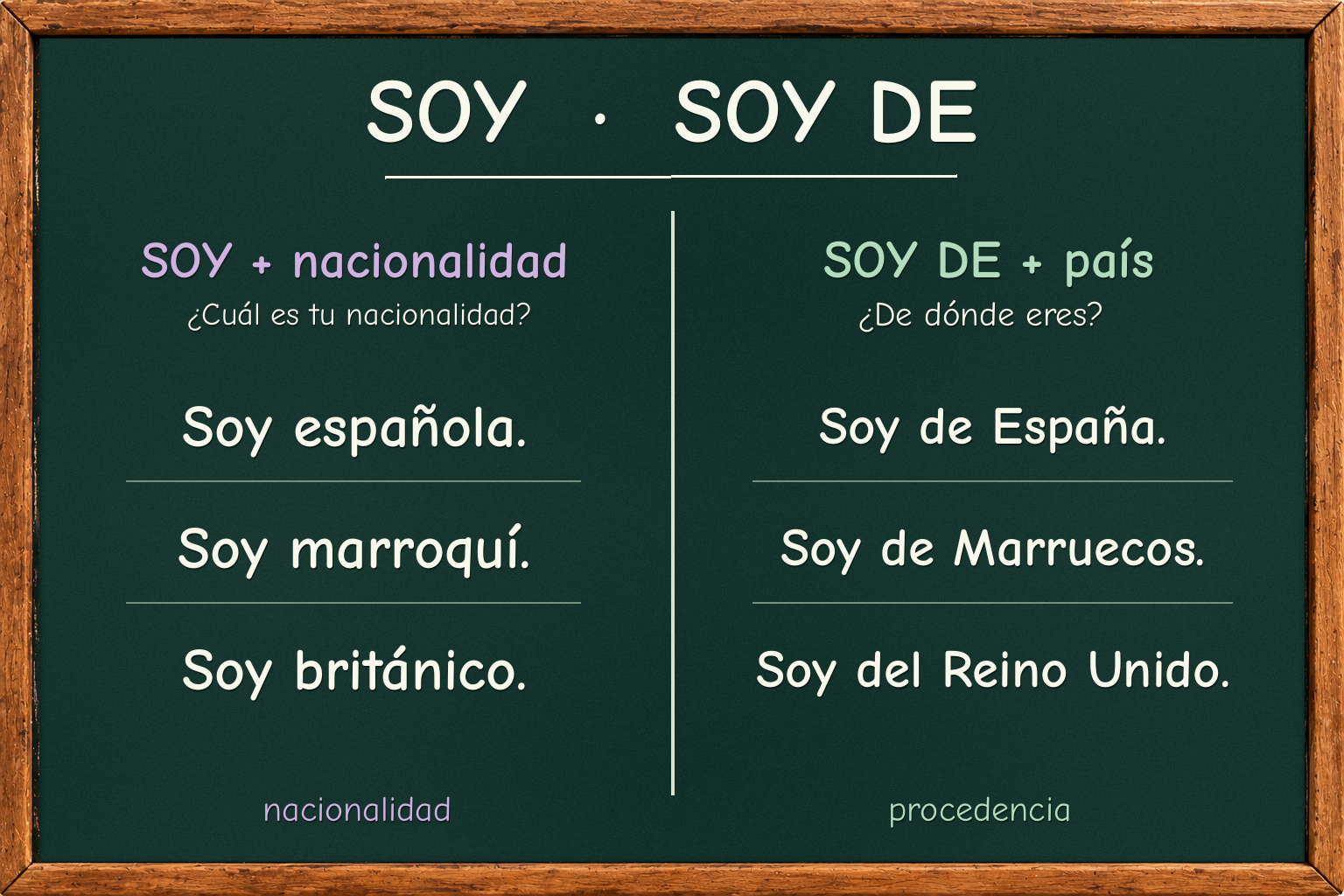

- ¿Cuál es tu nacionalidad? — Soy española. (I’m Spanish.)
- ¿De dónde eres? — Soy de España. (I’m from Spain.)
- ¿De dónde eres? — Soy de Londres. (I’m from London.)
Notice del in Soy del Reino Unido. The words de + el become del. Another example is Soy de la India. We keep de la separate.
2. Does the nationality change?
Often, yes. In Spanish, many nationality adjectives agree with the person being described. Nationalities are written in lowercase, even when country names begin with a capital letter.
- -o / -a: español / española; italiano / italiana; mexicano / mexicana.
- -és / -esa: francés / francesa; portugués / portuguesa; japonés / japonesa.
- The same form for different genders: marroquí, canadiense, estadounidense.
Compare: Él es francés. Ella es francesa. But: Él es marroquí. Ella es marroquí. Gender agreement is a grammatical feature of the adjective; it does not determine someone’s identity.
3. Explore the world: 30 countries and nationalities
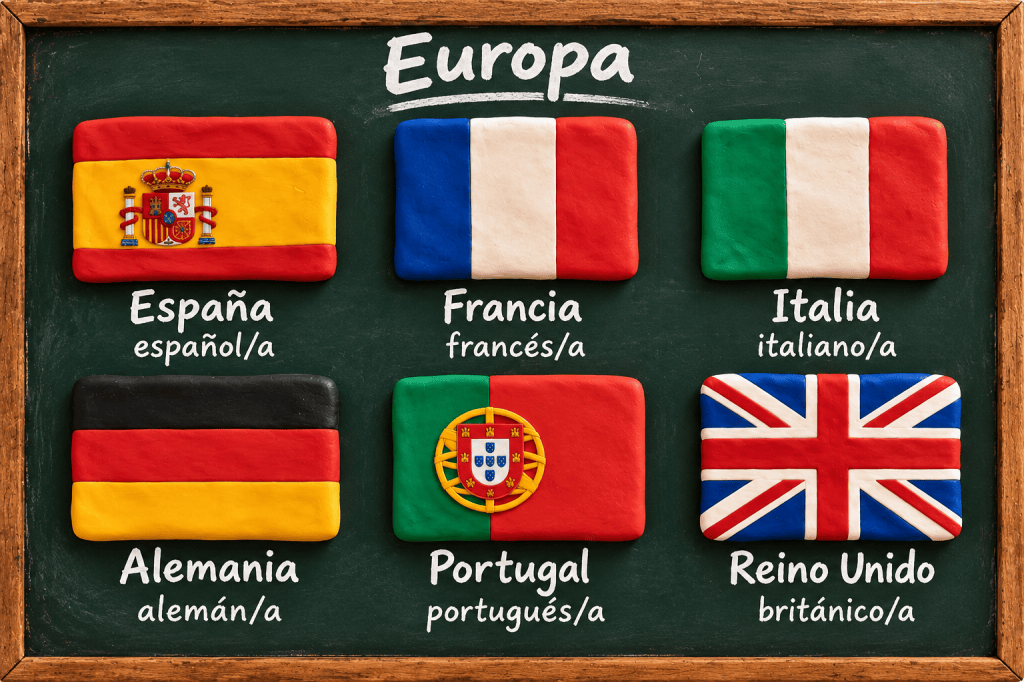
Each chalkboard shows six countries. Look at the flag, read the country name, then say the nationality aloud. Tap a chalkboard to open the larger image if you want to zoom in, especially on a phone.
Europa — Europe
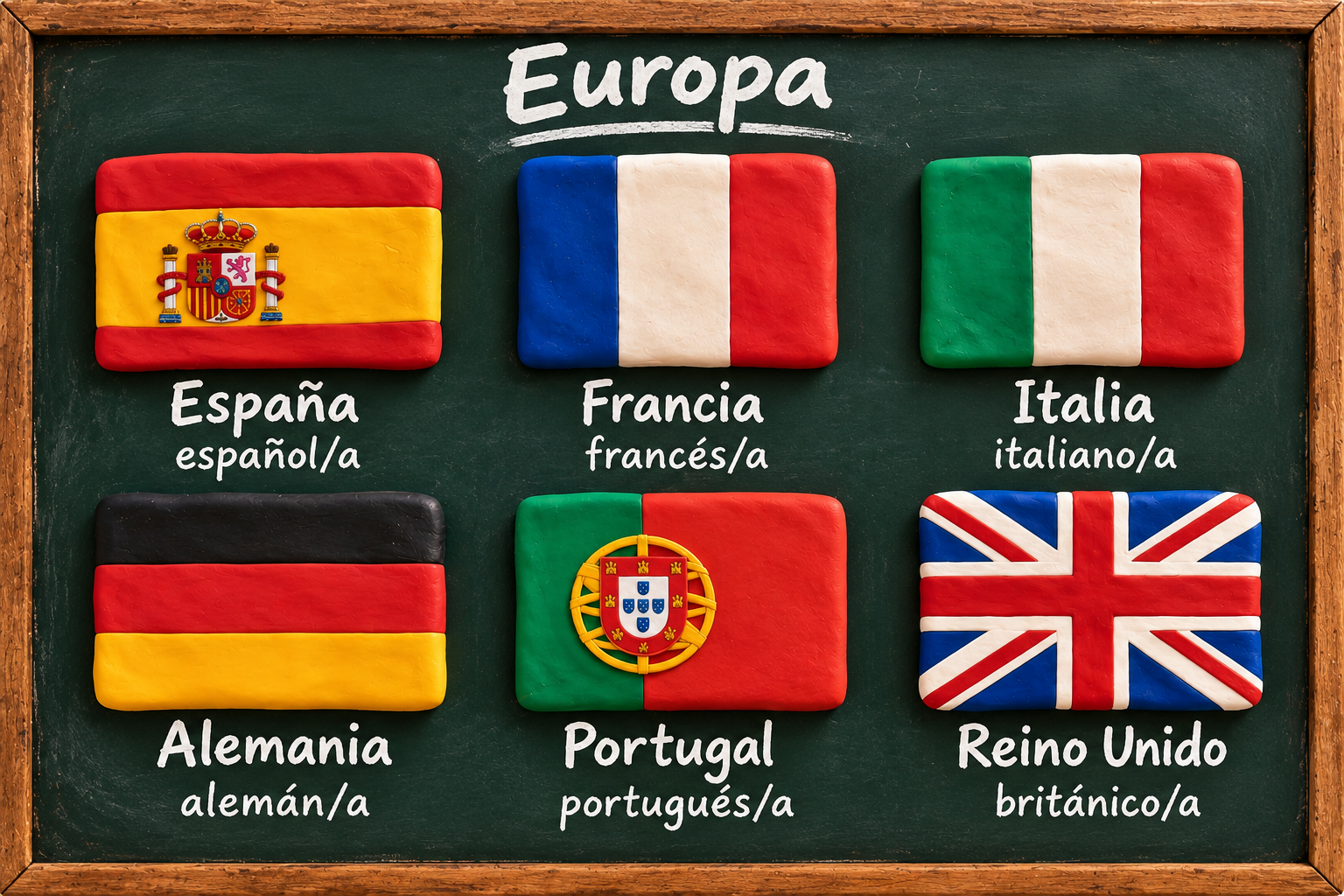
Practise: Soy española. Soy de España. • Soy británico. Soy del Reino Unido.
África — Africa
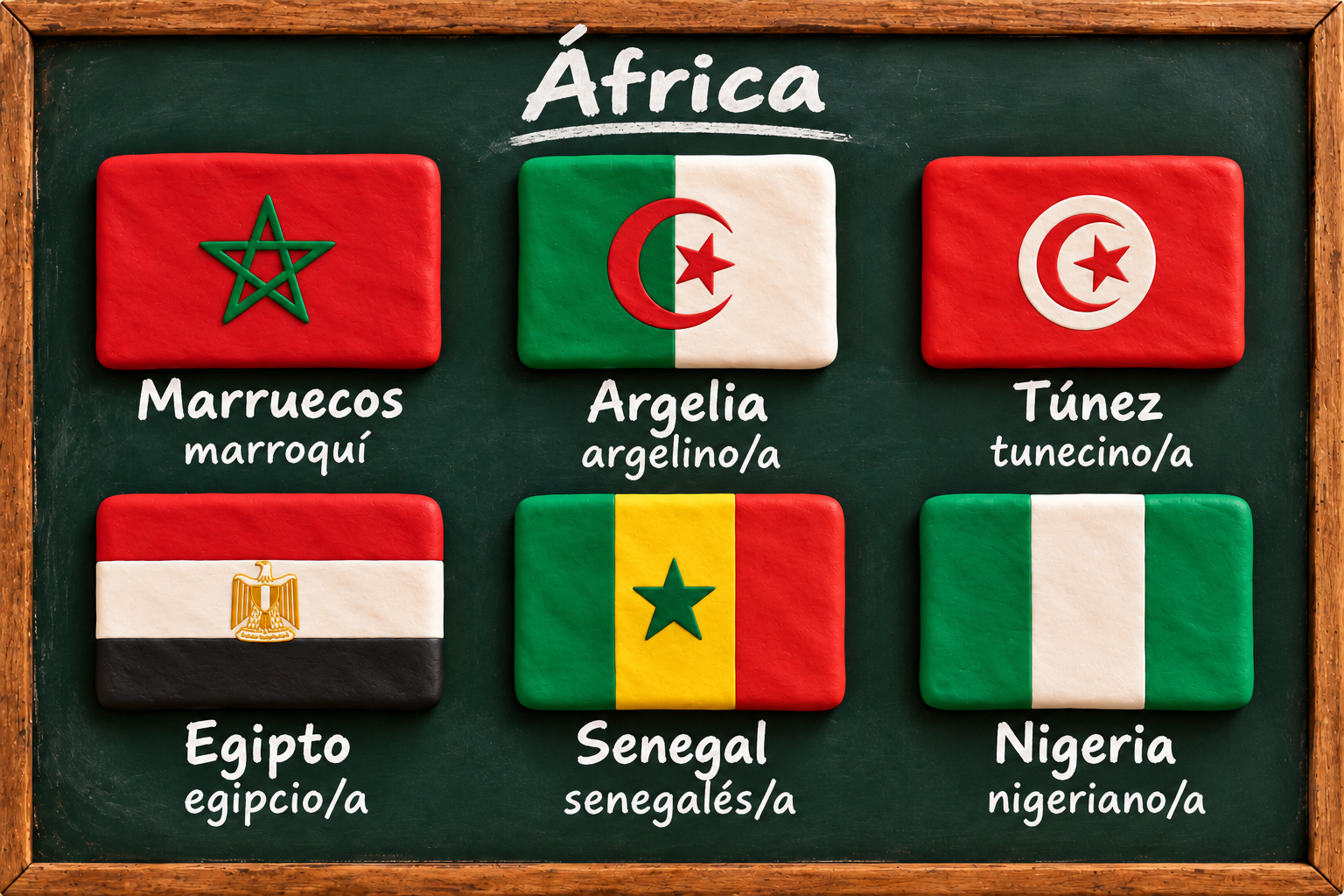
Practise: Soy marroquí. Soy de Marruecos. • Soy argelina. Soy de Argelia.
Asia — Asia
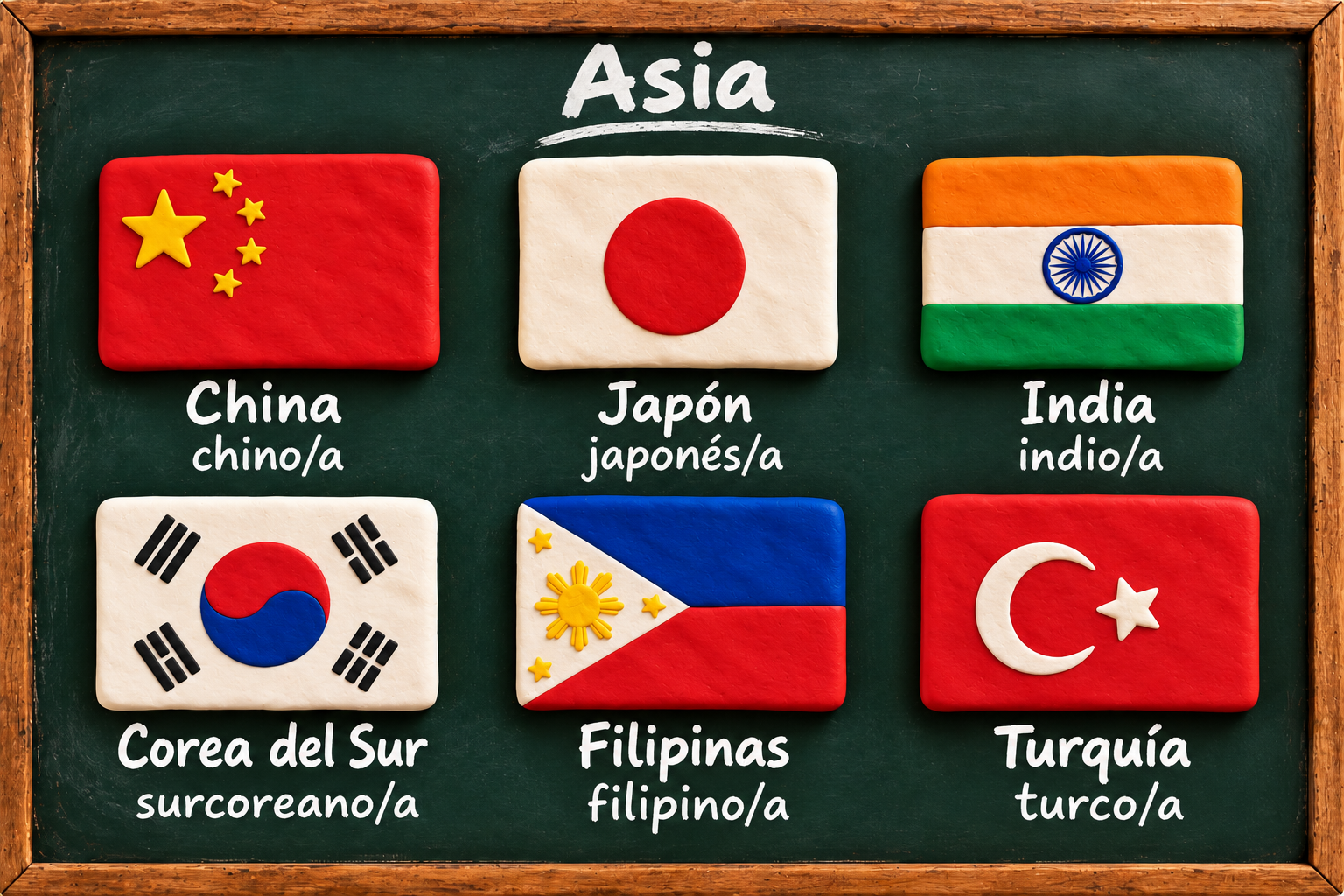
Practise: Soy japonesa. Soy de Japón. • Soy filipino. Soy de Filipinas.
América — The Americas
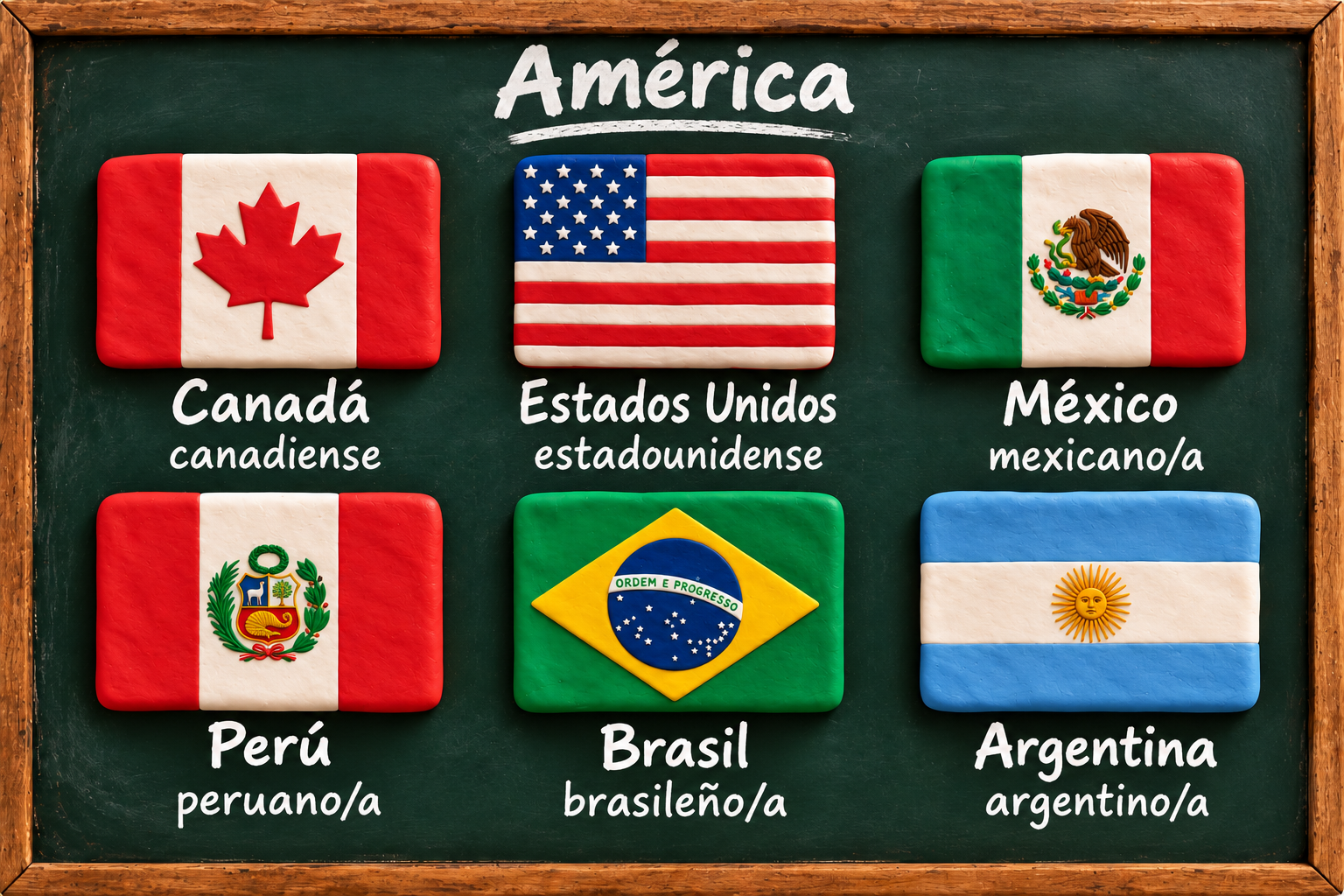
Practise: Soy canadiense. Soy de Canadá. • Soy peruana. Soy de Perú.
Oceanía — Oceania
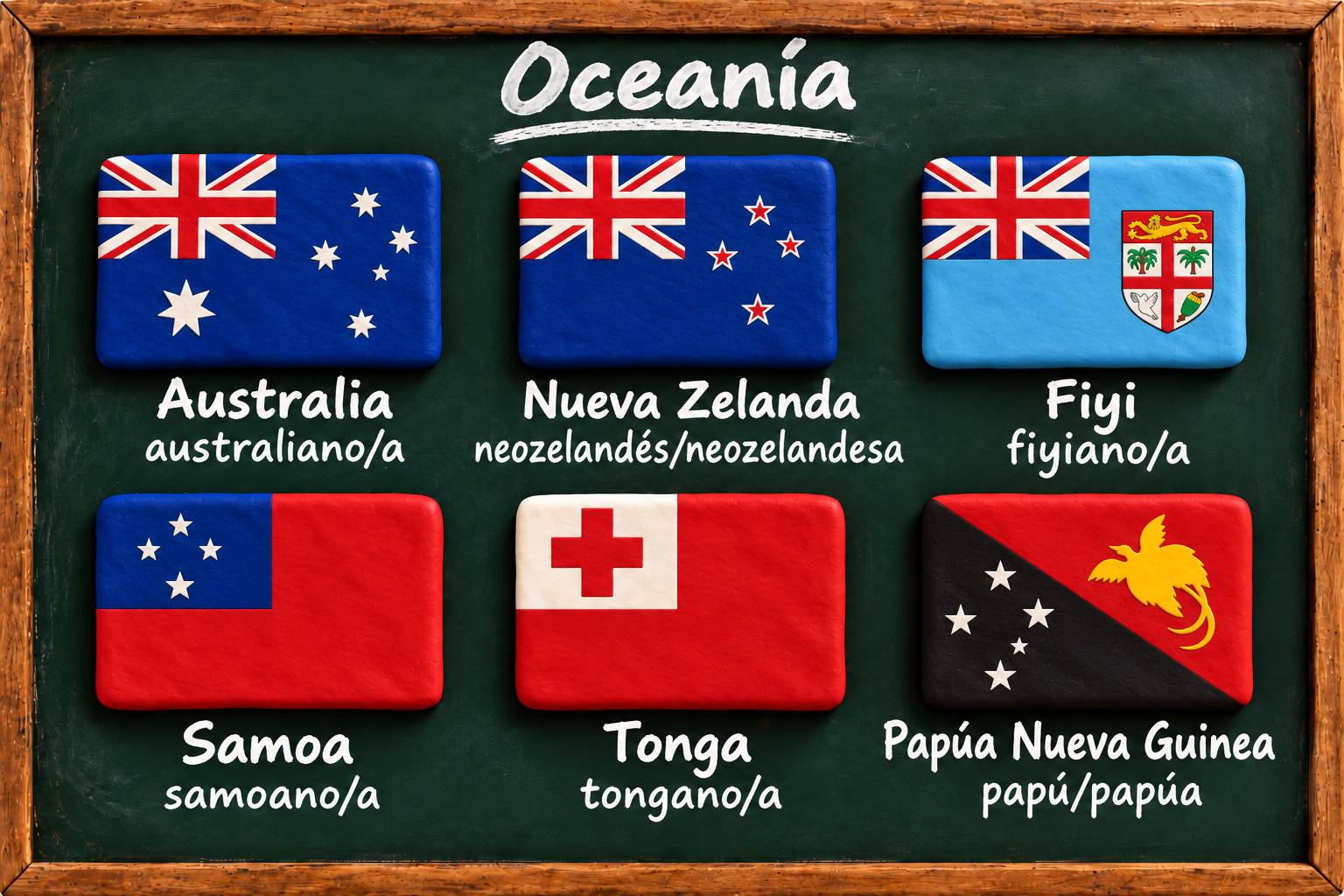
Practise: Soy australiana. Soy de Australia. • Soy neozelandés. Soy de Nueva Zelanda.
4. Listen to how the conversation works
A: ¡Hola! ¿De dónde eres?
B: Soy de Perú. Soy peruana. ¿Y tú?
A: Soy de Marruecos. Soy marroquí.
Hi! Where are you from? — I’m from Peru. I’m Peruvian. And you? — I’m from Morocco. I’m Moroccan.
You can ask ¿De dónde eres? or ¿Cuál es tu nacionalidad?. Choose the version that fits the conversation. Remember that where someone is from and how they describe their nationality are not always the same thing.
5. Your turn: a little A1 practice
Complete each sentence before checking the answers:
- Yo ___ de Francia.
- Mi amiga es de Portugal. Ella es ___.
- Él es de Japón. Es ___.
- Soy ___ Reino Unido.
- Mi compañera es de Canadá. Es ___.
- ¿De dónde ___ tú?
Check your answers
1. soy · 2. portuguesa · 3. japonés · 4. del · 5. canadiense · 6. eres.
6. Play «Pasaporte al español» and collect your stamps!
Ready for a new adventure? Join Pasaporte al español: La vuelta al mundo! Practise nationalities as you travel through five continents, complete challenges and collect stamps in your own passport.
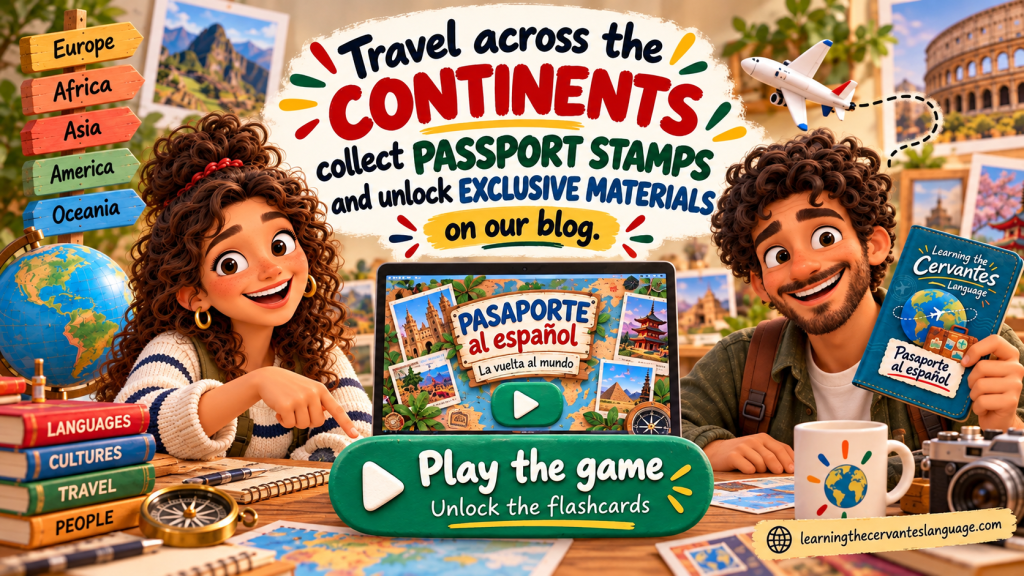
Your reward: collect the five continent stamps and earn the golden final stamp to unlock your exclusive printable flashcards inside the game. ¡Completa el viaje y consigue tu recompensa!
One last question: ¿De dónde eres? Try answering in two ways: Soy… and Soy de… ¡Nos vemos pronto!